Lower Newcastle, Miramichi, NB · Serving up to 100 km around the cityMiramichi, NB

Miramichi Siding Installation and Repair
Grayson Construction handles siding installation in Miramichi for whole houses, additions, garages and camps, and repairs the siding that wind, ice and salt air have worked loose. Siding here takes driving rain off the bay, deep cold and spring thaws, so what is behind the panels matters as much as the panels themselves. Daniel J. Savard runs the company from Route 11 in Lower Newcastle, and we take on siding work up to 100 km around the city.
Siding Installation in Miramichi
New siding is more than new panels. On most re-siding jobs the work goes in this order:
- Strip the old siding. Old siding comes off so we can see the wall underneath. On some houses that means more than one layer, because older homes were often covered over rather than stripped.
- Check the sheathing. Soft or rotten boards, water stains around windows and gaps at the sill are fixed before anything new goes on.
- Wrap and flash. A weather barrier goes over the sheathing, and flashing goes around windows, doors and anywhere water can get behind the wall.
- Add insulation if you want it. With the wall open, this is the easiest time to add rigid insulation over the sheathing.
- Trim and corners. Corner posts, window and door trim and starter strips go on straight and level, because every panel lines up off them.
- Siding, then soffit and fascia. The siding goes up, and the roof edges are finished with soffit and fascia.
Siding replacement is also the best time to deal with tired windows and doors, since the trim around them is coming off anyway. Our window and door installation page covers that part of the job.
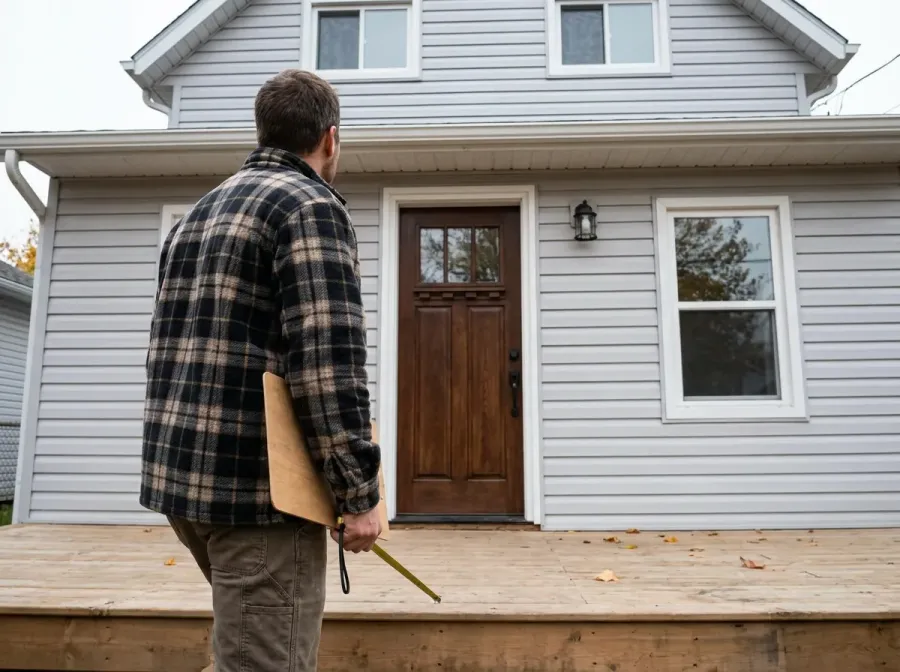
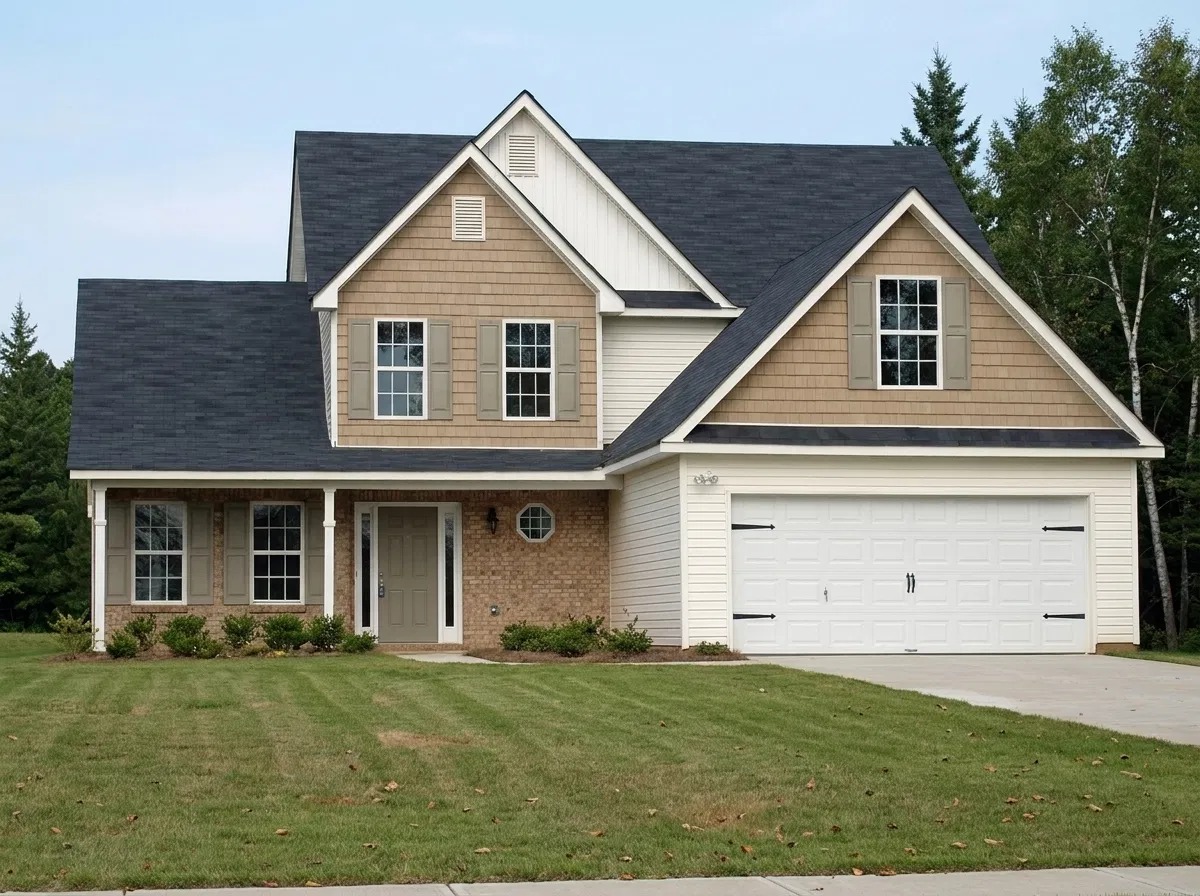
Vinyl Siding in Miramichi
Vinyl siding in Miramichi is the most common choice by far. It costs less than most other options, never needs painting and comes in a wide range of colours and profiles, from standard lap to shakes and board and batten styles.
Vinyl also moves. It expands in the summer sun and shrinks in the cold, so it has to be hung, not nailed tight. The Vinyl Siding Institute's installation guidance says not to drive the nail head tight against the siding, to place fasteners in the centre of the slots and to leave at least 6.4 mm (1/4 inch) of clearance at openings and trim, increased to 9.5 mm (3/8 inch) when installing below 4°C. Siding that is nailed tight is what buckles and ripples on a hot day.
Cold matters in another way too. Vinyl becomes more brittle in deep cold, so a hockey puck, a snowblower or a chunk of ice off the roof can crack a panel in January that would have bounced off in July.
How Long Does Vinyl Siding Last?
Vinyl commonly lasts 20 to 30 years or more, depending on the quality of the panels, how much sun the wall gets and how well it was installed. Fading on the sunny side of the house is usually the first sign of age. Siding that was nailed tight, hung without proper flashing or installed over a wet wall will fail much sooner than siding that was put up right.
Wood, Board and Batten, Fibre Cement and Metal Siding
Vinyl is not the only option, and each material suits a different kind of house and owner.
| Vinyl | Wood and cedar shingles | Fibre cement | Metal | |
|---|---|---|---|---|
| Upfront cost | Lowest | Higher | Higher | Higher |
| Upkeep | Wash it now and then | Stain or paint every few years | Repaint every several years | Very little |
| Look | Lap, shake or board and batten styles | Traditional, natural wood | Looks like painted wood | Modern or rural, ribbed or lap |
| In the cold and wind | Brittle in deep cold, can crack on impact | Holds up if kept sealed | Stiff and impact resistant | Can dent, will not crack |
Board and batten, with wide vertical boards and narrow strips over the joints, is popular on newer homes, garages and camps. It can be wood, vinyl, fibre cement or metal. Fibre cement, often called Hardie board after its best known brand, is heavy and needs careful cutting and handling, but it holds paint well and stands up to impact. Metal siding is common on garages and outbuildings and is showing up more on houses.
Vinyl Siding vs Wood Siding
Vinyl costs less and needs almost no upkeep, but it can crack in the cold and colours fade over time. Wood looks traditional, can be repaired one board at a time and can be repainted any colour, but it needs regular staining or painting to keep water out. Cedar shingles are a long-standing choice in coastal New Brunswick and weather to a soft grey if left unfinished.
Siding Repair in Miramichi
Most siding problems show up after a storm or at the end of winter. For siding repair in Miramichi, the first step is finding out why it failed, so the repair does not fail the same way.
- Loose or missing panels after wind. Usually caused by: panels not locked in, or nailed too far apart. Fix: re-hang or replace the panels.
- Cracked or holed vinyl. Usually caused by: impact in cold weather. Fix: replace the damaged panels.
- Wavy or buckled siding. Usually caused by: nailed too tight, or not enough room at the trim. Fix: re-hang the run with proper clearance.
- Soft wood, peeling paint, stains. Usually caused by: water getting behind the siding. Fix: fix the flashing, replace rotten wood.
- Green streaks or mould on the north side. Usually caused by: shade and moisture. Fix: clean the siding, improve drainage and airflow.
- Gaps at corners and windows. Usually caused by: trim pulled loose or shrunk. Fix: re-secure trim and reseal.
Vinyl siding repair often depends on matching the colour. Older colours are often discontinued, and a new panel will not look like one that has faded for fifteen years. If there is a box of leftover siding in the garage or shed, keep it. Otherwise, panels can sometimes be moved from a hidden wall to the damaged one and new panels used where they will not show.
Repair or Replace Siding
If the damage is limited to one wall or a few panels and the wall behind is dry, repair is usually the better value. If the siding is brittle, badly faded, cracking in many places or hiding water damage across more than one wall, siding replacement makes more sense than patching it every spring.
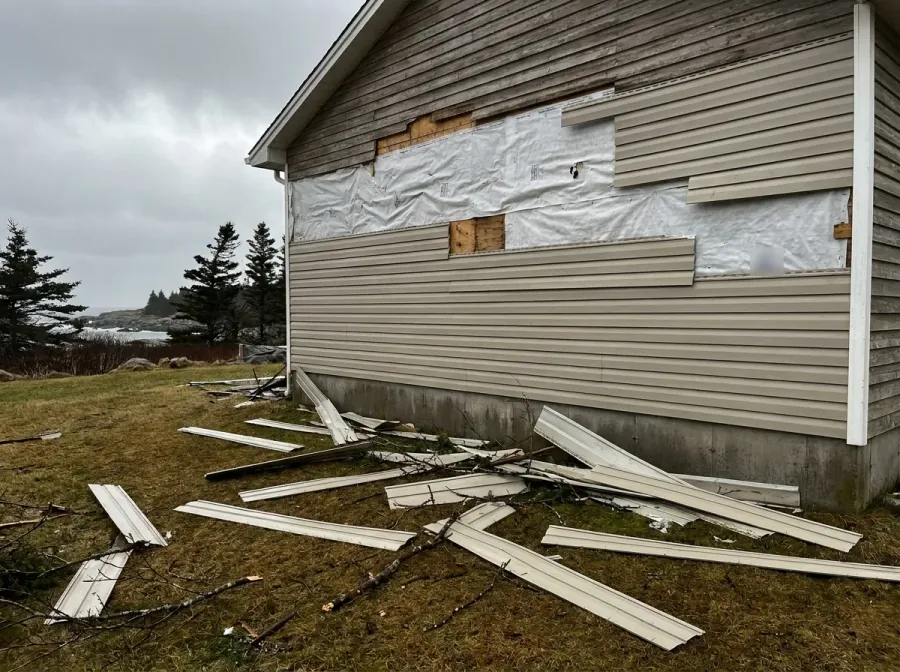
Storm Damaged Siding
Post-tropical storm Dorian in September 2019 and post-tropical storm Fiona in September 2022 both brought damaging winds to the Maritimes, and storms off the bay strip siding most years on a smaller scale. Wind gets under a loose edge and peels panels off a wall a row at a time.
After a storm, a few steps help:
- Take photos of every damaged wall before anything is cleaned up, in case you need them for an insurance claim.
- Cover exposed wall with a tarp or wrap if the weather barrier is torn, so rain does not soak the sheathing.
- Collect the pieces. Undamaged panels that blew off can sometimes go back up, which helps with matching colour.
Then we can look at what was torn, what was only loosened and whether the wall behind it got wet.
Salt Air and Coastal Homes
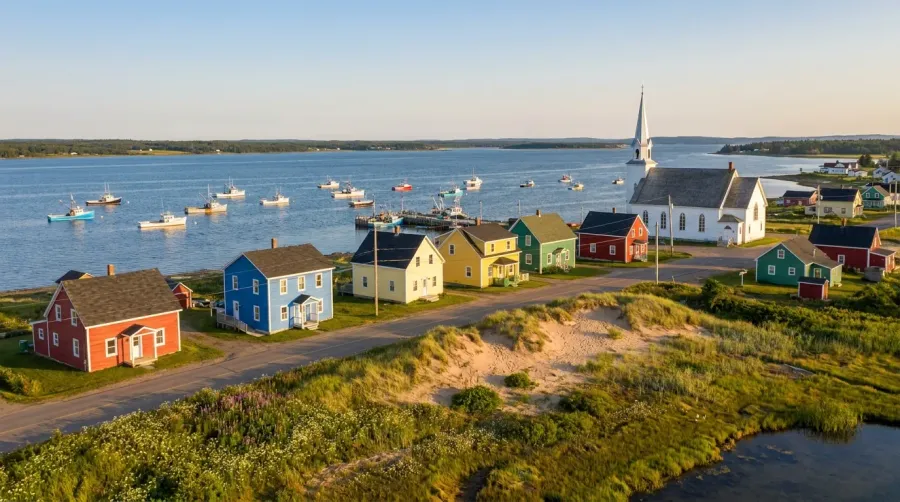
Along the bay, from Neguac and Burnt Church to Baie-Sainte-Anne and Escuminac, siding takes salt spray and steady wind. Salt air is hard on fasteners and metal trim, and strong wind finds every loose edge.
On coastal homes it pays to use:
- Corrosion-resistant fasteners, such as stainless steel or hot-dip galvanized nails, so rust does not stain the siding or let go.
- Siding rated for high wind, with a strong locking edge.
- Good flashing at every opening, because wind drives rain sideways into any gap.
- A rinse now and then, to wash salt off the siding and trim.
If you are on the coast, our Neguac and Acadian coast and Baie-Sainte-Anne pages cover the rest of the work we do there.
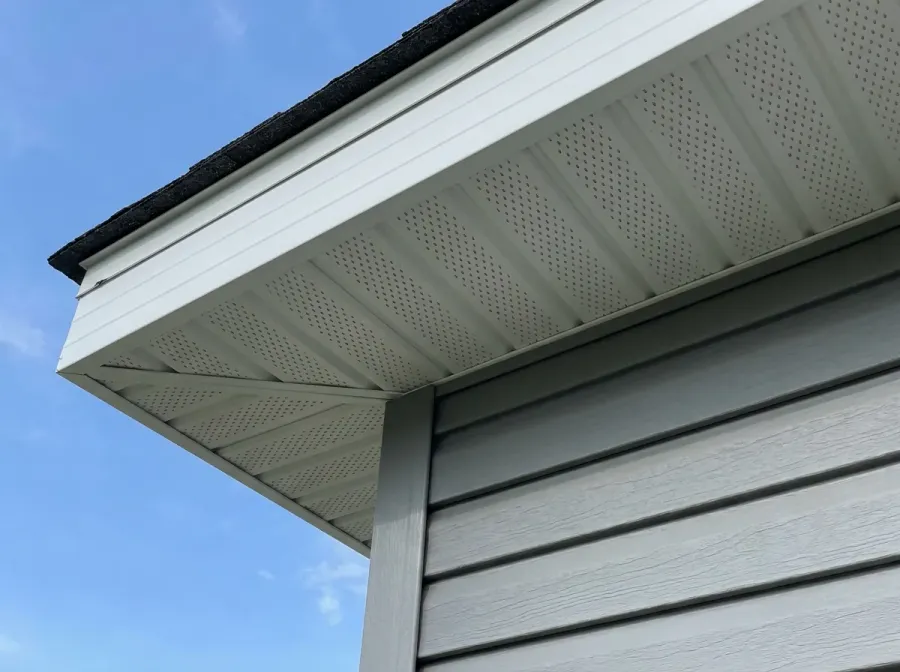
Soffit and Fascia
Soffit and fascia finish the edge of the roof. The fascia is the board along the roof edge where the gutter hangs. The soffit is the underside of the overhang, and vented soffit lets air into the attic.
That airflow matters in a Miramichi winter. A cold, well-vented attic helps keep snow on the roof from melting and refreezing at the eaves as ice dams. Soffit vents that are painted over, blocked by insulation or never installed are a common problem in older homes.
Aluminum fascia wrap is often put over the old wood fascia board. That works well if the board underneath is sound. If it is soft or rotten, it needs to be replaced first, or the new wrap only hides the rot.
Insulation Under New Siding and Rebates
Re-siding is the one time the outside of the wall is open, which makes it the best time to add insulation. Rigid insulation over the sheathing reduces heat loss through the studs and makes the house feel less drafty.
Save Energy NB's Total Home Energy Savings Program has offered incentives for adding insulation to exterior walls, with a minimum amount to add (R-7.5 for main walls) and at least 20% of the wall area insulated. A Home Energy Evaluation is part of the process, so it has to be booked before the work starts. Programs change, so check the current rules on Save Energy NB before you count on a rebate.
When to Re-Side and Permits
Siding goes up best between spring and fall. Vinyl can be installed in the cold with extra clearance, but it is more brittle and harder to work with, and sealants need temperatures above freezing to cure. Searches for siding work here spike in March, the biggest jump of any service we offer, as soon as people see what the winter did. Booking in the winter puts your job on the schedule before that rush.
Replacing siding without changing the structure of the house does not appear on the Greater Miramichi Regional Service Commission's list of projects that need a permit, which names structural renovations and additions. If the job also changes window openings, adds on or alters the structure, check with a Building Inspector first.
Siding Around the Miramichi
In the older parts of Chatham and Newcastle, many houses have had two or three generations of siding. It is common to find original wood clapboard under aluminum, with vinyl over both. Some mid-century homes still have cement siding shingles, and Health Canada notes that asbestos was used in some building materials in homes built before 1990, so older shingles should be tested before they are removed.
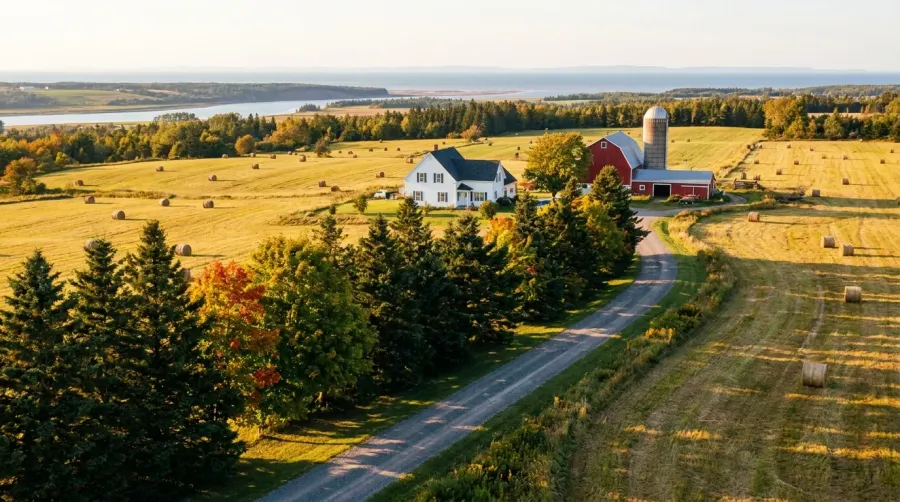
On farms around Rogersville and Blackville, siding work often includes barns, garages and outbuildings, where metal siding is common. Planning a deck at the same time? Our deck builder page covers that, and the renovation cost guide explains what moves the price of a siding job.
Frequently Asked Questions
How much does new siding cost?
It depends on the size of the house, the material, how many layers come off and what is found underneath. Vinyl costs less than wood, fibre cement or metal, and adding insulation, new trim or soffit and fascia adds to the total. We price each house after seeing it, and our cost guide explains what moves the number.
How long does vinyl siding last?
Vinyl siding commonly lasts 20 to 30 years or more. Quality of the panels, sun exposure and installation make the biggest difference. Siding that is hung loosely enough to move, with proper flashing behind it, lasts far longer than siding nailed tight over a wall that gets wet.
Vinyl siding vs wood siding: which is better?
Vinyl costs less and needs almost no upkeep, but it can crack in deep cold and fades over time. Wood looks traditional and can be repaired one board at a time, but needs regular painting or staining. For most homes vinyl is the practical choice. For a traditional look, wood or cedar shingles suit better.
Should I repair or replace my siding?
If the damage is limited to a few panels or one wall and the wall behind is dry, repair is usually better value. If the siding is brittle, badly faded, cracking in many places or hiding water damage on several walls, replacing it makes more sense than patching it every spring.
Can siding be installed in winter?
It can, but it is not ideal. Vinyl is more brittle in the cold and needs extra room at the trim, and sealants need temperatures above freezing to cure. Most siding work in the Miramichi area is done from spring to fall, and winter is a good time to plan and book.
Is there a rebate for insulation when re-siding?
There can be. Save Energy NB's Total Home Energy Savings Program has offered incentives for adding exterior wall insulation, with a minimum amount to add and a Home Energy Evaluation required before the work. Programs change, so check the current rules with Save Energy NB before the job is booked.
Get a Price on New Siding
Whether it is a whole house, one wall that came off in a storm or soffit and fascia that need replacing, tell us what you have in mind. For siding installation in Miramichi and communities up to 100 km around the city, we will look at the house and what is behind the old siding and give you a price before any work starts.